Why ants keep coming back in your Granby kitchen
Ants keep coming back in Granby kitchens because you are killing workers, not the colony. Here is what actually ends the cycle in 2026.
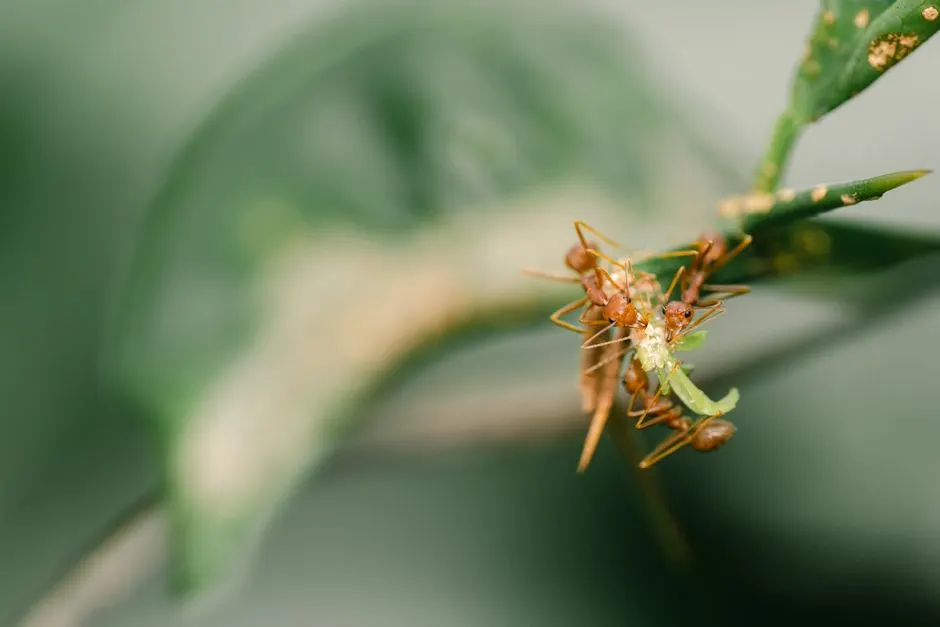
Ants keep coming back in your Granby kitchen because the colony is still alive somewhere you cannot see it, and the pheromone trail on your floor is still intact. Killing the workers you spot on the counter changes nothing - the queen keeps producing replacements, and the trail keeps pulling them back to the same crack under the baseboard. What actually ends the cycle is finding the nest, breaking the trail, and sealing the entry point so the next scouting party never finds your kitchen worth returning to.
This post covers why ants return in Granby specifically, what causes the problem in the first place, how to get rid of them without wasting money on sprays that do not work, and when it makes sense to bring in a professional. If you have been fighting the same line of ants across your counter for three weeks, the answer is in the next few sections.
Why ants keep coming back in your Granby kitchen
Why ants keep coming back in your Granby kitchen comes down to three things: the nest is intact, the pheromone trail is intact, and your kitchen still offers food, water, and warmth. Surface sprays kill the ants you can see, but they do not reach the colony, and the trail left behind keeps recruiting new workers within hours.
Ant control in Granby, Massachusetts is a colony problem, not a counter problem. A typical carpenter ant colony in this area holds 3,000 to 10,000 workers, and a pavement ant colony can push past 10,000. When you spray a line of them on your backsplash, you are removing maybe 1% of the population. The rest are under the floor, inside the wall void, or in a soil nest beside your foundation.
There is also a pheromone issue most homeowners never hear about. Ants lay a chemical trail from the nest to the food source. That trail survives most household cleaners. A single wipe with a wet sponge does not remove it. Until you strip the trail with the right product and seal the entry point, the next forager follows the same path back to your cereal cabinet.
Granby's housing stock makes this worse. Older homes around Granby Center and along the Route 202 corridor were built with fieldstone foundations, unsealed sill plates, and gaps around plumbing penetrations that have widened over decades. Those gaps are open highways for ants. We see this every week when we run Ant Control in Granby, Massachusetts calls - the nest is almost never where the homeowner thinks it is.
The Granby-specific reasons ants keep returning
Granby sits on a mix of sandy loam and glacial till, and that soil drains fast. Ants love it. Dry, well-drained soil is exactly what pavement ants and carpenter ants build colonies in, and the wooded edges behind many Granby properties give them plenty of natural habitat to expand from.
Three local factors drive repeat infestations:
- Fieldstone and rubble foundations. Common in homes built before 1950 across Granby Center and Downtown Granby. Mortar joints crack, and ants nest directly in the void behind the stone.
- Wooded lot lines. Properties backing up to the woods around Aldrich Street and the conservation land off East State Street see carpenter ants moving from dead trees into house framing.
- Seasonal moisture swings. Wet springs push ants indoors looking for dry nesting. Dry summers push them in looking for water. Either way, your kitchen sink cabinet is the target.
We handle a lot of calls in Granby Center pest control where the same house gets treated every spring because the original technician only sprayed the visible trail. The nest was 20 feet away in a foundation void the whole time.
What causes ants in Granby Massachusetts kitchens?
What causes ants in Granby Massachusetts kitchens is almost always one of four things: accessible food, accessible water, a moisture problem behind the cabinets, or an unsealed entry point from outside. Remove all four and the ants have no reason to come in.
Food is the obvious one. A single crumb of pet food, a drip of maple syrup on the counter, an open bag of flour in the pantry - any of these will support a scouting party. Ants also feed on grease behind the stove and on the residue inside recycling bins.
Water is the one homeowners underestimate. A slow drip under the sink, a sweating pipe in July, or a dishwasher line with a pinhole leak gives ants all the moisture they need. Carpenter ants in particular will nest in damp wood near a leak, which is why a kitchen ant problem sometimes turns into a structural problem if it is ignored for a season.
Entry points are the third cause. In Granby homes we routinely find ants coming in through:
- Gaps around the kitchen sink supply lines and drain pipe
- Cracks in the sill plate above the foundation
- Worn weatherstripping on a kitchen door
- Utility penetrations for gas and electrical
- Voids behind the base cabinets that connect to the wall cavity
If you are also seeing roaches or mice in the same kitchen, the entry problem is bigger than ants alone, and it is worth looking at broader Pest Control in Granby, Massachusetts rather than treating one pest at a time.
How to get rid of ants in Granby MA kitchen
How to get rid of ants in Granby MA kitchen comes down to a sequence: identify the species, find the nest, break the trail, seal the entry, and remove the food and water source. Skip any step and the ants come back within a week or two.
Here is the order we use on service calls:
- Identify the species. Pavement ants, carpenter ants, and odorous house ants need different treatments. Carpenter ants mean moisture and wood damage. Odorous house ants crush with a rotten-coconut smell. Pavement ants nest in soil and foundation cracks.
- Find the nest. Follow the trail backward at night, when ant activity peaks. Look for sawdust piles, frass, or a faint rustling sound inside a wall.
- Break the pheromone trail. A 50/50 mix of white vinegar and water strips most trails. So does a citrus-based cleaner. Wipe the full path, not just the visible line.
- Bait, do not spray. Gel baits and bait stations let workers carry the insecticide back to the queen. Sprays do the opposite - they kill the foragers and scatter the colony into new sub-nests.
- Seal entry points. Caulk around sink lines, seal sill plate cracks with expanding foam, and replace worn door sweeps.
- Remove the attractant. Pet food in sealed containers, pantry items in glass or hard plastic, trash taken out nightly, and no standing water under the sink.
Typical 2026 pricing for a professional kitchen ant treatment in the Granby area runs $150 to $350 for an initial visit, with follow-up visits at $75 to $125 if the colony needs a second bait cycle. DIY bait and sealant runs $30 to $60, but it only works if you find the nest.
Natural options work for mild cases. Diatomaceous earth sprinkled along the foundation line, a vinegar-and-water trail wipe, and peppermint or tea tree oil on entry points will slow ants down. They will not kill a colony of 10,000. If you have tried natural ant repellent for Granby MA homes for two weeks and the ants are still there, you are past the point where DIY is cost-effective.
Common mistakes that keep the ants coming back
The most common mistake is spraying the visible ants. That kills foragers, alerts the colony, and often causes the nest to split into two or three satellite nests - which is why some homeowners swear the problem got worse after they sprayed.
Other mistakes we see constantly:
- Wiping with a wet rag only. Water does not break the pheromone trail. You need vinegar, citrus cleaner, or a dedicated trail remover.
- Using bait and spray at the same time. The spray kills the workers before they can carry the bait back to the queen. Pick one.
- Sealing the entry without treating the nest. If the colony is inside the wall, sealing the crack just traps them in and they find a new exit.
- Ignoring the moisture source. A leaking dishwasher line or sweating pipe will keep drawing carpenter ants no matter how many times you bait.
- Treating one room. Ants travel. If the nest is under the bathroom floor, treating the kitchen does nothing.
If you have already been through two or three bait cycles and the ants are back, the problem is structural, not surface-level. That is when a professional inspection pays for itself.
When to call a professional
Call a professional when the ants have survived two weeks of baiting, when you see carpenter ants (larger, black, active at night), or when you find sawdust or frass near a wall or cabinet. Those three signals mean the colony is established and possibly doing structural damage.
At Pest Control ServePro, we start every kitchen ant call with an inspection - we trace the trail, identify the species, and locate the nest before we treat anything. Then we bait the colony, seal the entry points, and schedule a follow-up to confirm the activity has stopped. If the nest is inside a wall or under a slab, we treat it directly rather than hoping the bait reaches it.
We also handle the pest problems that often come with an ant infestation. If you are seeing roaches in the same kitchen, our Granby cockroach control services use the same inspection-first approach. If the ants are coming in through a gap near a window where wasps have also been nesting, Granby wasp removal services can close that entry at the same time.
Frequently Asked Questions
Why do ants keep coming back in my Granby kitchen?
Because the colony is still alive and the pheromone trail is still intact. Killing visible workers does not reach the queen, and the trail keeps recruiting new foragers to the same food source. You have to find the nest, break the trail, and seal the entry point.
How to get rid of ants in Granby MA kitchen?
Identify the species, find the nest, wipe the trail with vinegar or citrus cleaner, use gel bait instead of spray, seal entry points with caulk or expanding foam, and remove food and water sources. Expect 7 to 14 days for full colony elimination with bait.
What causes ants in Granby Massachusetts kitchens?
Accessible food, accessible water, moisture behind cabinets, and unsealed entry points from outside. Granby's sandy soil and older fieldstone foundations make entry easy, especially in homes built before 1950 around Granby Center and Downtown Granby.
Do I need an exterminator for ants in Granby MA?
If the ants have survived two weeks of baiting, if you see carpenter ants, or if you find sawdust near a wall, yes. A professional inspection locates the nest and treats it directly. Typical 2026 pricing runs $150 to $350 for the initial visit.
How to prevent ants from returning in Granby Massachusetts?
Seal foundation cracks and plumbing penetrations, keep pet food and pantry items in sealed containers, fix leaks under the sink, take trash out nightly, and re-check entry points every spring. A yearly perimeter treatment in April or May stops most repeat infestations.
Get help with Pest Control in Granby
If ants have been coming back to your Granby kitchen for more than two weeks, the colony is winning. We will find the nest, treat it, and seal the entry so the next scouting party has nowhere to go.
Call Pest Control ServePro at 413-238-9555 to schedule a kitchen ant inspection in Granby, Granby Center, or Downtown Granby.